
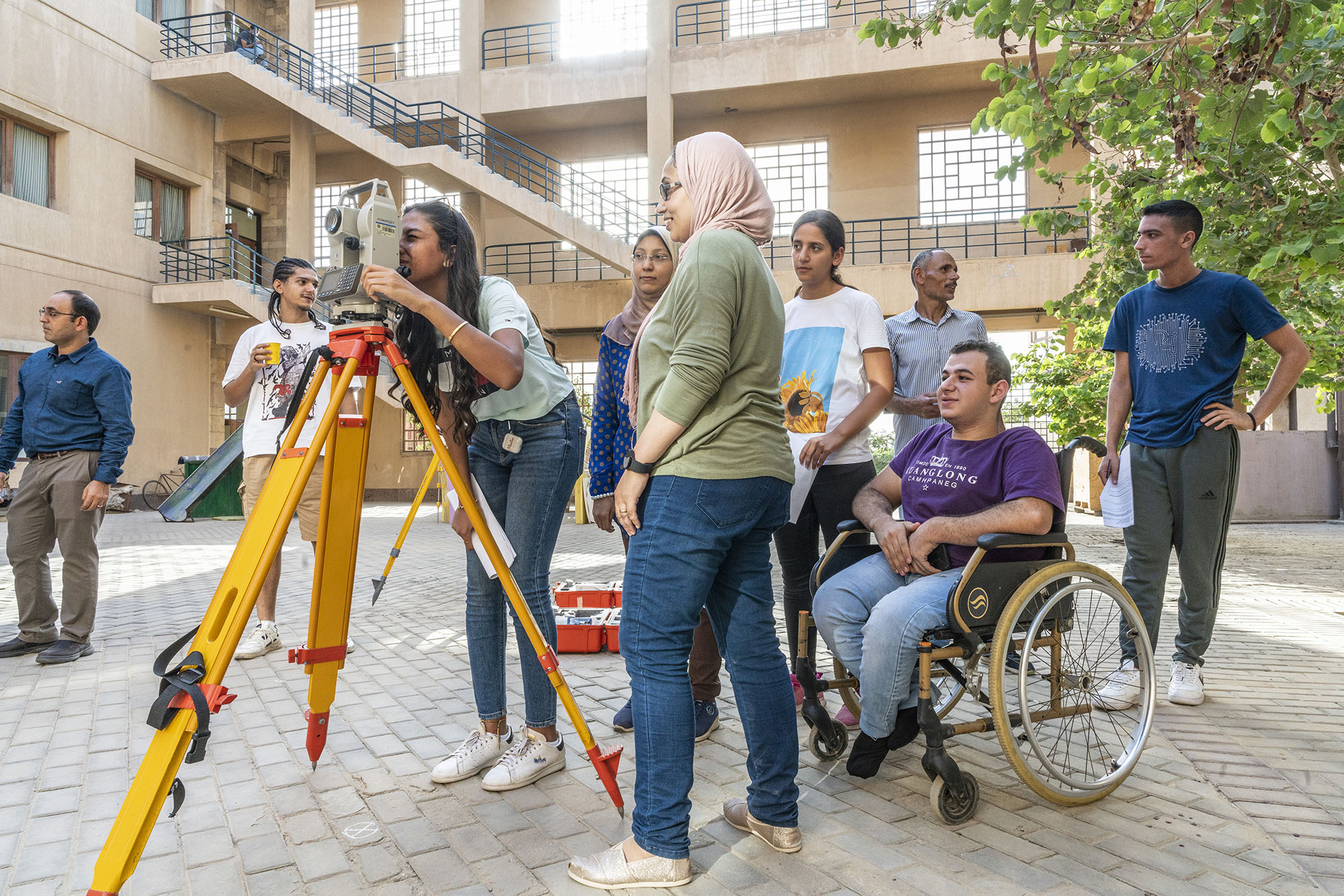
College disability protections do not operate exactly like special-education services in high school. Postsecondary students generally have to identify their need for an academic adjustment and follow the institution’s reasonable request procedures.
Federal protections can still be substantial. Section 504 and the ADA can require covered colleges to provide appropriate academic adjustments and auxiliary aids that give qualified students with disabilities equal access to educational programs.
What Academic Adjustments Can Include
An adjustment may involve additional examination time, accessible course materials, interpreters, note-taking support, assistive technology, modified testing arrangements, or another individualized measure.
There is no universal menu that every student automatically receives. The Department of Education states that appropriate adjustments should be determined according to the individual circumstances rather than treated as a fixed list.
How Does a Student Request Support?
Students usually begin with the college’s disability or accessibility office. Institutions may establish reasonable procedures and request documentation supporting the disability and need for an adjustment.
Someone researching the process through broader web material should still locate the school’s official procedure. Missing a registration step or documentation request can delay support even when a student may otherwise qualify.
Can a College Reject the Exact Accommodation Requested?
A student is not automatically entitled to every requested adjustment. Schools are not required to eliminate essential academic requirements or make changes that would fundamentally alter a program, and certain undue burdens may also limit what must be provided.
Reading mixed digital content can make accommodation law appear more absolute than it is. The central question is often whether an effective adjustment can provide equal access without changing an essential academic requirement.
| Request Area | Possible Adjustment | Key Question |
|---|---|---|
| Exams | Additional time | Is it disability-related? |
| Lectures | Interpreter or notes | Is access effective? |
| Materials | Accessible format | Can content be accessed? |
| Attendance | Policy modification | Is the requirement essential? |
What If an Approved Adjustment Is Not Implemented?
Approval is only useful when instructors and departments actually follow the applicable accommodation plan. Students should document missed adjustments, contact the disability office promptly, and keep copies of relevant communications.
Claims found through open-web reading should not substitute for the institution’s grievance rules. A written record can help establish what was approved, when the school received notice, and how it responded.
What Students Often Misunderstand
A previous IEP or high-school Section 504 plan does not necessarily transfer unchanged into college. Postsecondary schools operate under different rules, and students usually carry more responsibility for requesting adjustments and providing appropriate documentation.
Another misconception is that an accommodation guarantees a particular grade. Disability law generally concerns equal access, not exemption from legitimate academic standards.
When Should You Seek Additional Help?
Escalation may be appropriate when an accommodation is repeatedly ignored, a request is denied without a meaningful explanation, retaliation is suspected, or an unresolved barrier is preventing participation.
Students can review the institution’s grievance procedure and, where appropriate, consider the U.S. Department of Education Office for Civil Rights process. OCR states that discrimination complaints ordinarily must be filed within 180 days of the last discriminatory act, subject to its rules and possible exceptions.
Frequently Asked Questions
Does a college have to accept a high-school IEP?
An IEP may provide helpful background, but it may not by itself satisfy a college’s documentation requirements for postsecondary academic adjustments.
Can professors refuse approved accommodations?
Faculty generally must follow legally required institutional accommodations, although questions about essential course requirements or implementation should normally be addressed through the school’s disability office.
Do students have to disclose a disability when applying?
Students generally do not have to disclose a disability simply to seek admission. Requests for academic adjustments usually arise after the student chooses to seek disability-related support.
Make Accommodation Requests Early
Students are better positioned when they learn the school’s process before a problem affects an exam, assignment, laboratory, or attendance requirement. Submit requests in writing, respond promptly to reasonable documentation requirements, and keep records of approvals. If access remains unresolved, use the institution’s grievance process or appropriate civil-rights channels without unnecessary delay.
This article is for general informational purposes and is not a substitute for professional legal advice.


