
When families ask how does Alzheimer’s kill you, they are usually seeking clarity about the physical decline that happens long after memory problems begin. Alzheimer’s is more than a condition of forgetting things; it is a progressive brain disease that slowly shuts down essential body functions. As it advances, the brain becomes less capable of managing processes most people take for granted, such as swallowing, breathing, fighting infection, staying nourished, and responding to illness. This gradual breakdown is usually the real reason behind death in Alzheimer’s patients, rather than the memory loss itself.
Understanding the disease and its impact on the brain
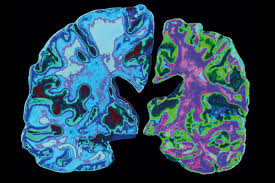
Alzheimer’s disease causes abnormal protein buildup in the brain. These deposits interfere with communication between brain cells, causing them to lose function and eventually die. Over time, large areas of the brain shrink, a process known as brain atrophy. This physical deterioration affects memory, thinking, movement, coordination, and functions essential for survival.
As brain cells die, the ability to think clearly declines. But even more serious is the loss of control over swallowing, mobility, immune response, and basic neurological functions. As the disease reaches the final stages, the brain can no longer send proper signals to organs and muscles. This neurological shutdown eventually becomes fatal.
Decline of daily abilities and critical body functions
During early stages, symptoms mainly appear as confusion or memory disturbance. As the disease moves into moderate and severe phases, the effects are far more serious. People may lose the ability to feed themselves, drink fluids safely, or move without help. Many patients also struggle to communicate pain or discomfort, which can delay necessary medical care.
One extremely dangerous symptom is difficulty swallowing, known as dysphagia. When swallowing becomes difficult, food or liquid can enter the lungs instead of the stomach. This leads to aspiration, which commonly causes pneumonia. Because patients are already weak, pneumonia can quickly become life-threatening.
Another serious issue is reduced mobility. When individuals can no longer walk, turn in bed, or move independently, they become vulnerable to complications such as blood clots, pressure sores, infections, and poor circulation. Immobility also makes breathing more shallow, increasing the risk of respiratory problems.
Common fatal complications of Alzheimer’s disease
1. Aspiration pneumonia
This is the most frequent direct cause of death in Alzheimer’s patients. Due to swallowing difficulty, food and saliva enter the lungs, leading to infection. The infection can rapidly worsen and cause respiratory failure.
2. Malnutrition and dehydration
As swallowing declines, patients may eat very little, lose weight, and become severely dehydrated. The body becomes too weak to fight illness, and organs can begin to shut down.
3. Infections
Urinary tract infections, skin infections, and respiratory infections develop more easily, especially when individuals cannot communicate their discomfort. If untreated, infections can lead to sepsis, a life-threatening condition.
4. Organ failure
As the brain loses control over essential functions, vital organs no longer receive proper signals, contributing to multi-organ failure.
Why Alzheimer’s itself, not an accident, leads to death
Although death certificates often list pneumonia, infection, or organ failure as the medical cause, Alzheimer’s is usually the underlying condition that triggered these problems. Without the disease, the body would be able to fight infections, swallow properly, and stay nourished.
The brain controls every automatic function necessary for survival. When Alzheimer’s destroys these control centers, the body can no longer sustain life. Therefore, Alzheimer’s eventually leads to a point where normal bodily processes fail, making death a natural result of long-term neurological decline.
How long can a person live with Alzheimer’s?
Life expectancy varies widely. Some people live only a few years after diagnosis, while others survive 10 years or more. On average, many people live 4 to 8 years. The duration depends on health, caregiving quality, and the age at which symptoms begin.
Good caregiving practices can slow complications. Adequate hydration, nutrition, physical activity, prevention of infections, and professional caregiving support can improve quality of life. However, because Alzheimer’s is progressive and irreversible, fatal complications eventually develop.
Importance of compassionate support
Family members should pay attention not just to memory decline but to physical and emotional changes. Supportive caregiving includes preventing infections, ensuring safe swallowing, assisting mobility, and maintaining dignity. Focusing on physical health and comfort significantly reduces suffering and can extend life.
Planning ahead is essential. Families often benefit from legal guidance, medical planning, and caregiving support early in the diagnosis. This not only prepares loved ones for what to expect but also ensures that decisions reflect the patient’s wishes.
Conclusion
Alzheimer’s does not kill suddenly. Instead, it gradually shuts down body functions by damaging the brain areas responsible for survival. The disease leads to swallowing problems, infections, malnutrition, pneumonia, and ultimately organ failure. Understanding this process helps families prepare and make compassionate decisions. This explanation reflects insights shared by rochesterlawcenter, emphasizing the importance of long-term planning, caregiving, and support throughout the progression of the disease.

