Insurance subrogation laws allow an insurer that has paid a covered claim to seek recovery from a responsible third party in appropriate circumstances. The insurer generally steps into certain recovery rights connected with the payment it made. Policy language, state law, the type of insurance, and the insured’s own uncompensated losses can all affect the process.
How Does Insurance Subrogation Work?
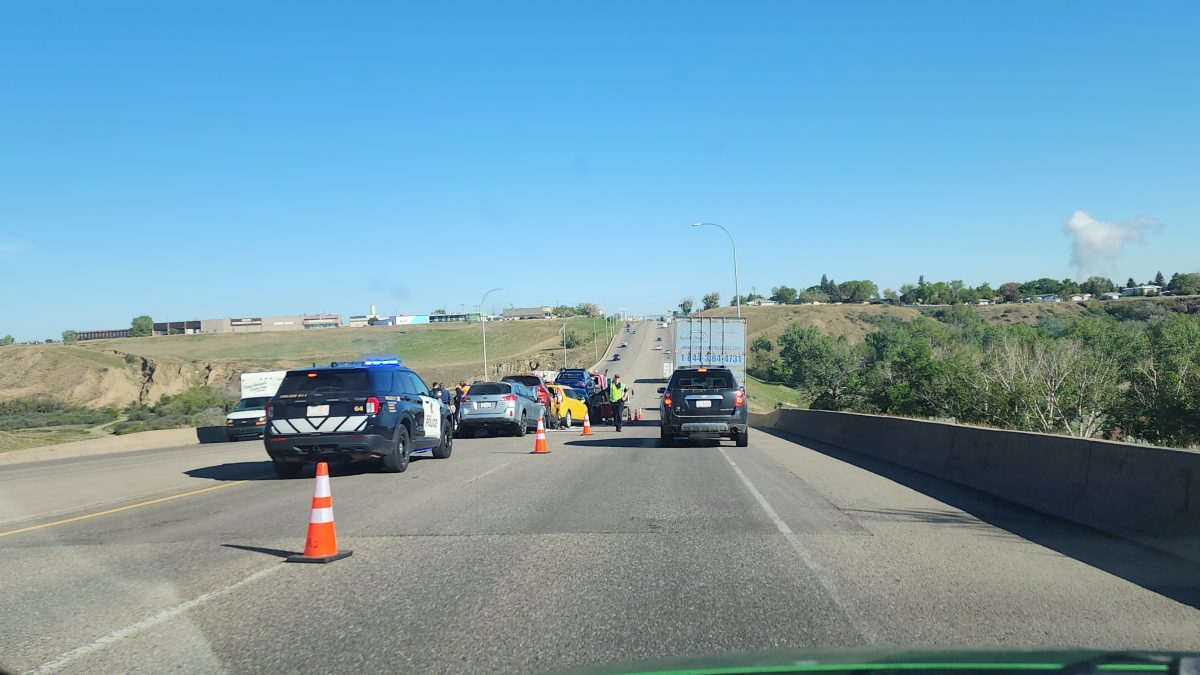
A common example follows an automobile accident. A driver’s collision insurer pays for covered vehicle damage and later seeks reimbursement from the party legally responsible for the accident or that party’s insurer.
California’s Department of Insurance describes subrogation as the insurer’s right to recover from a third party amounts it paid to its policyholder. It also warns policyholders not to take actions that improperly jeopardize the insurer’s recovery rights.
Consumers doing general digital reading should distinguish this recovery process from the initial decision about whether their own insurer must pay the covered claim.
Recovery Can Involve Several Interests
The insurer may have paid only part of the total loss. The policyholder may still have a deductible or other uncompensated damages, creating questions about how recovered money should be allocated.
| Issue | Possible Interest | What Controls |
|---|---|---|
| Insurer payment | Reimbursement | Policy/state law |
| Deductible | Policyholder recovery | State rules |
| Uninsured loss | Policyholder interest | Applicable law |
| Recovery costs | Fee allocation | Law/agreement |
Deductible Recovery Rules Can Matter
Subrogation may affect whether a policyholder recovers some or all of a deductible. The rule is not identical nationwide.
California requires an insurer pursuing automobile subrogation to include the insured’s deductible in the recovery process unless the deductible has already been recovered. The regulator explains that reimbursement may correspond to the proportion actually recovered.
General online reference browsing may describe subrogation broadly, but state-specific rules should be checked before assuming a deductible will be repaid in full.
Policyholders Usually Must Protect Recovery Rights
Insurance contracts commonly require cooperation with legitimate subrogation efforts. A policyholder who releases a responsible party prematurely can interfere with the insurer’s potential recovery.
That does not mean every settlement automatically destroys subrogation. The effect depends on the circumstances, policy provisions, notice, applicable state doctrines, and the particular release.
People reviewing published news content should be careful about applying a simplified online example to a pending claim where legal rights have not yet been determined.
What People Often Get Wrong About Subrogation
One misconception is that subrogation creates a second payment for the insurer. Its basic purpose is recovery of amounts the insurer has already paid when another party is legally responsible.
Another mistake is pursuing the at-fault party independently without coordinating with the insurer. That can create overlapping claims, inconsistent releases, or disputes about reimbursement rights and recovery expenses.
When Should You Get Legal or Regulatory Help?
Legal guidance may be appropriate before signing a third-party release when your own insurer has already paid benefits. Advice can also help when the insurer claims a right to reimbursement from money you recovered or when the allocation of a settlement is disputed.
For claims-handling concerns, consumers can contact their state insurance department. State regulators investigate issues such as unfair claim practices, failure to honor policies, and other possible insurance-law violations.
Frequently Asked Questions
Can my insurer sue the person who caused my loss?
Potentially. Subrogation can allow an insurer that paid a covered claim to pursue a legally responsible third party to recover qualifying payments.
Will I automatically get my deductible back?
No nationwide rule guarantees full recovery in every case. The result can depend on the amount recovered, state law, policy provisions, and how recovery expenses are allocated.
Can I settle directly with the responsible party?
Sometimes, but doing so without coordinating with your insurer can affect existing subrogation rights. Review your policy and obtain advice before signing a release after your insurer has made payments.
Protect Recovery Rights Before Signing Anything
Subrogation connects the insured’s claim, the insurer’s payment, and the liability of a third party. Before accepting outside payment or signing a release, determine whether your insurer has already asserted recovery rights. Careful coordination can help prevent a settlement intended to resolve one problem from creating another reimbursement dispute.
This article provides general legal information and is not a substitute for advice from a qualified attorney regarding specific subrogation or reimbursement rights.