
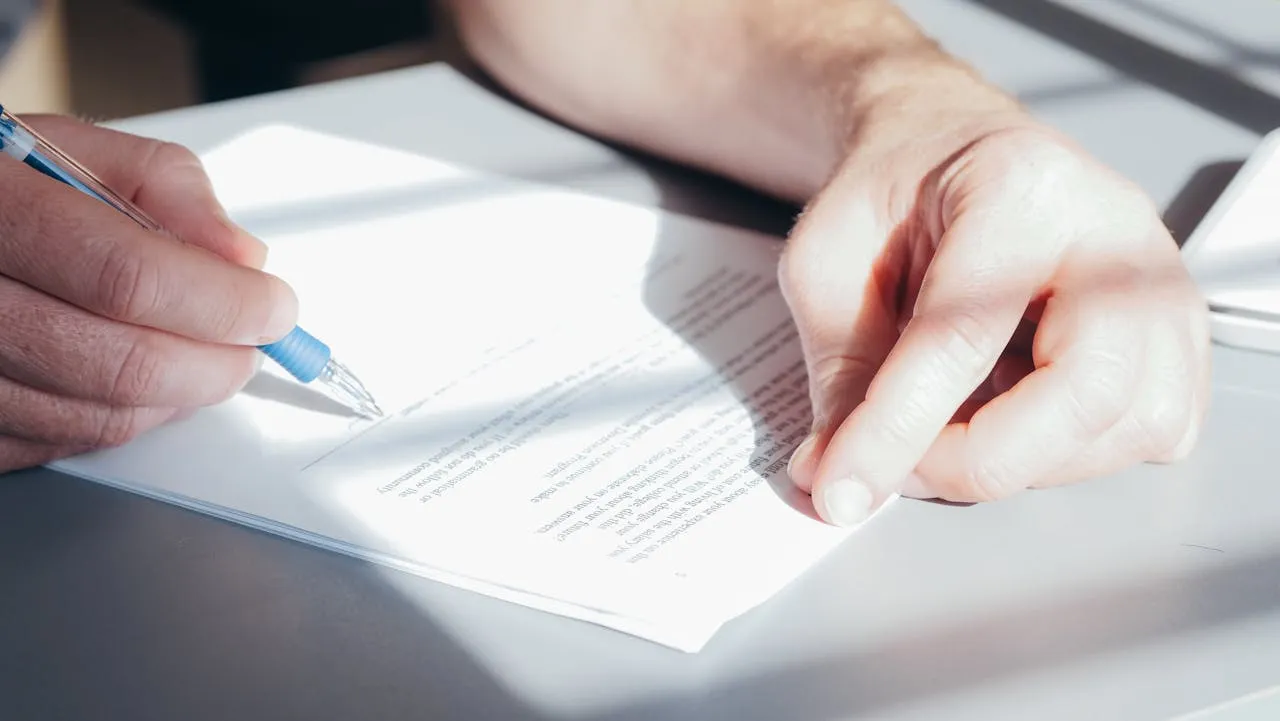
Martial arts gyms operate in an environment where physical contact and injury risk are expected, but accepting the normal risks of training does not necessarily eliminate every legal duty. Claims can involve liability waivers, instructor supervision, unsafe equipment, mismatched sparring partners, premises hazards, or conduct that goes beyond the accepted rules of the activity.
What a Martial Arts Waiver Can Do
A liability waiver can limit certain claims when state law permits it and the language clearly covers the relevant risk. Courts often examine how the clause was written, presented, and applied rather than assuming every signed form is enforceable.
Cornell’s Legal Information Institute notes that courts may reject exculpatory clauses that are overly broad, contrary to public policy, insufficiently disclosed, or attempt to excuse certain especially serious misconduct.
The Legal Information Institute waiver overview provides general background on exculpatory clauses.
Instructor Duties Go Beyond Collecting Signatures
An instructor may need to act reasonably when supervising drills, organizing sparring, maintaining training areas, or responding to foreseeable hazards. The exact duty depends on state law and the circumstances.
Someone researching fitness and sports topics may encounter online product directories alongside legal material, but a gym’s responsibility cannot be determined from general training information. Instructor conduct, participant experience, class structure, and the specific cause of an injury may all matter.
Negligence generally focuses on duty, breach, causation, and actual harm.
Participant Experience Can Affect the Risk Analysis
A beginner paired with an advanced student in a controlled drill presents different facts from two experienced competitors voluntarily engaging in hard sparring. Rules, warnings, protective equipment, age, and the type of technique can all affect how the event is evaluated.
General sports commentary sources may discuss training culture, but legal responsibility remains jurisdiction-specific. Assumption-of-risk principles can protect defendants against claims based on ordinary dangers inherent in sports, while not necessarily covering risks that were materially increased.
Equipment and Facility Conditions Matter Too
Not every martial arts injury comes from another participant. Loose mats, exposed walls, defective protective equipment, crowded training areas, or poorly maintained facilities may raise separate premises or negligence questions.
Readers moving between regional online publications and local gym information should distinguish general reporting from the actual safety requirements and legal standards applicable in their state.
| Issue | Potential Legal Focus | Relevant Evidence |
|---|---|---|
| Signed waiver | Scope and enforceability | Waiver wording |
| Sparring injury | Inherent risk or negligence | Rules and witness accounts |
| Unsafe mats | Premises condition | Photos and maintenance records |
| Instructor conduct | Reasonable supervision | Class structure and video |
Why a Signed Waiver Is Not an Automatic Defense
Gyms sometimes treat a waiver as though it prevents every lawsuit. That is too broad. Enforceability differs among states, and courts may distinguish ordinary negligence from gross negligence, reckless conduct, intentional misconduct, or claims outside the language of the agreement.
Participants can make the opposite mistake by assuming a waiver has no effect because an injury was serious. Severity and enforceability are separate questions. The actual wording and governing law must be examined.
When an Injury May Need Legal Review
Legal advice may be useful after a severe injury, disputed waiver, hospitalization, alleged reckless technique, injury to a minor, equipment failure, or disagreement over insurance coverage.
Preserve the membership agreement, waiver, gym rules, medical documentation, photographs, witness details, messages with instructors, and any video. State limitation periods can restrict how long an injured person has to bring a claim, making delay potentially significant.
Frequently Asked Questions
Are martial arts liability waivers legally enforceable?
They can be, but enforceability varies by jurisdiction and wording. Courts may examine clarity, scope, public policy, the conduct alleged, and how the agreement was presented.
Can a martial arts instructor be liable for a student’s injury?
Potentially. A claim may depend on whether the instructor owed and breached a duty and whether that breach caused the injury rather than an ordinary risk of training.
Do parents have the power to waive a child’s injury claims?
Rules governing parental waivers differ significantly among states. Some jurisdictions restrict or reject attempts to waive certain claims belonging to minors, so local law needs to be checked.
Treat Safety Rules and Waivers as Separate Protections
A well-written waiver can address accepted training risks, but it should not replace sound instruction, sensible matching of participants, proper equipment, and safe facilities. For participants, understanding what was signed is equally important. When a serious injury occurs, the surrounding facts and governing state law matter more than assumptions about what a waiver supposedly guarantees.
This article provides general legal information and is not a substitute for advice from a qualified attorney.


